Classic Slots Online UK: Reels, Symbols and Play
 Available in GB
Explore reel layouts, familiar symbols, fruit-slot design and the boundary between online play and UK gambling regulation.
Table of Contents
- What Classic Slots Mean in the UK Online Context
- Classic Slot Machines and Their UK Gambling-Machine Context
- Choosing a Classic Slots Casino Within UK Regulatory Limits
- Classic Slot Games: Reels, Paylines, and Traditional Design
- How to Play a Classic Slot Online
- Real-Money Classic Slots and the UK Compliance Boundary
- The Meaning of a Classic Slot in the UK
- Free Classic Slots: What the Format Does and Does Not Establish
- Classic Fruit Slots and the Traditional Pub-Machine Model
- Classic Slot Machine Symbols and Their Traditional Role
What Classic Slots Mean in the UK Online Context
Classic slots are a recognisable style of casino game built around a relatively simple visual and mechanical idea: symbols appear on reels, the reels stop, and matching arrangements determine whether a result is formed. In an online setting, the format is reproduced through software rather than a physical cabinet. The central concept remains reel-based play, but the screen can present the game in a form associated with older mechanical machines.
The word “classic” describes a design tradition rather than a single technical specification. A classic slot may use three reels, familiar fruit-machine imagery, a straightforward layout, and a limited set of visible features. It may also use more than three reels while retaining the same restrained presentation. Consequently, the label identifies an aesthetic and structural family, not a universal rule that every game must satisfy.
The three-reel format
Three-reel classic slots are the clearest expression of the traditional format. Their display is organised around three vertical reel columns, each containing a sequence of symbols. When the reels stop, the visible symbols are assessed according to the game’s arrangement of winning positions. The compact layout makes the relationship between the reels and the result relatively easy to understand.
This page highlights key facts to consider when choosing a classic slots operator in the UK in 2026. Use the concise verdicts to assess licensing, bonuses, payout times and minimum deposits.
License: UKGC Operator Licence · Bonus: £50 bonus · Payout speed: Within 48 hours · Min. deposit: £10 Platinum Gaming Limited holds a UKGC Operator Licence and offers a £50 bonus. Its minimum deposit is £10, with payouts available within 48 hours.
License: UKGC Operator Licence · Bonus: £20 bonus · Payout speed: Within 48 hours · Min. deposit: £10 Silverbond Enterprises is licensed by the UKGC and provides a £20 bonus. The minimum deposit is £10, and payouts are processed within 48 hours.
License: UKGC Operator Licence · Bonus: £100 bonus · Payout speed: Within 24 hours · Min. deposit: £10 ProgressPlay Limited combines a UKGC Operator Licence with a £100 bonus. It has a £10 minimum deposit and payouts within 24 hours.
License: UKGC Operator Licence · Bonus: £100 bonus · Payout speed: Within 24 hours · Min. deposit: £10 Genesis Global Limited is a UKGC-licensed operator offering a £100 bonus. Players can deposit from £10, with payouts available within 24 hours.
License: UKGC Operator Licence · Bonus: £200 welcome bonus · Payout speed: Within 48 hours · Min. deposit: £10 32Red holds a UKGC Operator Licence and advertises a £200 welcome bonus. Its minimum deposit is £10, while payouts are available within 48 hours.
License: UKGC Operator Licence · Bonus: £100 bonus · Payout speed: Within 24 hours · Min. deposit: £10 LeoVegas is licensed by the UKGC and offers a £100 bonus. It accepts deposits from £10 and provides payouts within 24 hours.
In a physical machine, the reels would be mechanical components viewed through a window. In an online version, the reels are animated on screen. The animation changes the presentation but does not alter the defining visual convention: separate reel columns move and then settle into a final pattern. For this reason, “3 reel classic slots” is commonly used to distinguish a compact reel-based design from more elaborate modern formats.
A three-reel game is not defined solely by the number of columns. Its broader identity comes from the combination of limited visual complexity, direct reel presentation, and a traditional machine-like appearance. Some digital games may reproduce the same arrangement without attempting to imitate mechanical movement in detail. Others may add sound, animation, or interface effects while preserving the three-reel structure.
What makes a slot look classic
Several features are associated with classic slots online. The first is visual restraint. Traditional designs tend to avoid a crowded interface and place the reels at the centre of the screen. Information about the stake, result, and available controls is generally presented around this main display rather than through a large collection of secondary panels.
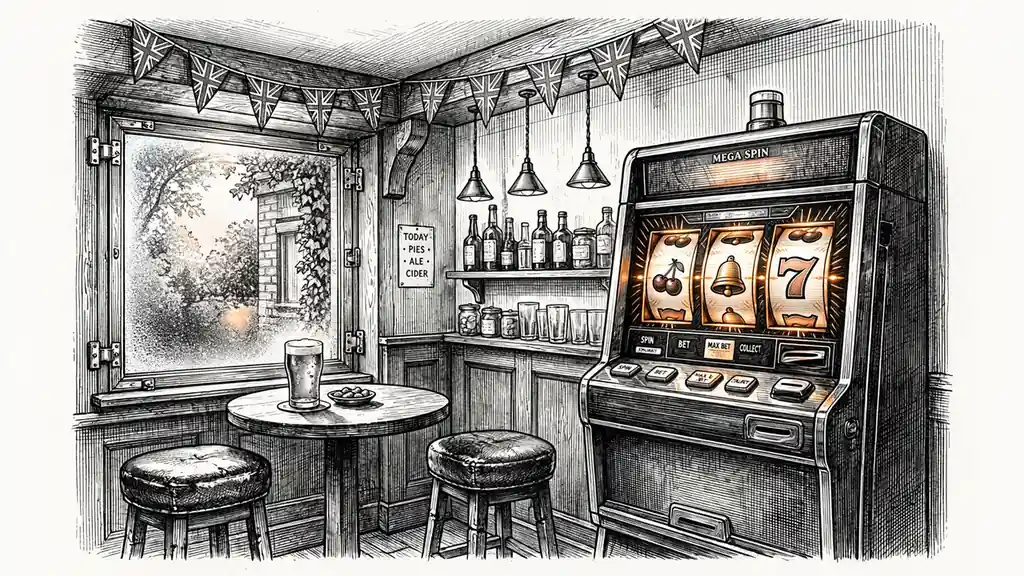
The second feature is familiar symbolic language. Classic designs often draw on the imagery historically connected with fruit-machine culture, including fruit, bars, bells, and sevens. These symbols form part of the visual vocabulary of the format. Their presence does not, by itself, establish a particular prize value, return rate, or legal classification. They are design elements rather than evidence of a game’s mathematical characteristics.
The third feature is a relatively direct relationship between symbols and outcomes. Modern online slots may include several layers of visual effects, expanding layouts, or feature sequences. A classic slot generally communicates its result through the visible arrangement of symbols on the reels. That does not mean every game labelled classic has identical rules; it means that the format is usually understood through the reel display rather than through a complex narrative or feature system.
Classic does not mean identical
The term can cover several variations. One online classic slot may use three reels and a compact set of winning arrangements. Another may retain traditional artwork but display additional reels or a more extensive interface. A third may reproduce the appearance of a pub-style machine while adding digital functions that were not available on older mechanical equipment.
This variation matters because “classic” is descriptive, not a complete technical specification. The label does not determine the number of reels, the number of paylines, the symbols used, or the mathematical settings. Those details belong to the individual game’s rules and information panel. Without verified information for a particular title, the general style cannot be used to infer its return, volatility, stake conditions, or prize structure.
The same distinction applies to the phrase classic online slots. It refers to the digital delivery of a traditional slot style, not to a separate category of software with one mandatory design. Online classic slots may therefore differ in artwork, reel count, interface, and available features while remaining recognisable as part of the same broad tradition.
How “classic” differs from “modern”
The contrast between classic and modern slots is mainly one of presentation and design emphasis. Classic games are associated with a compact reel window, familiar symbols, and a focus on the immediate result. Modern games may use more elaborate visual themes, additional game areas, animated sequences, and layered features. These are tendencies rather than legal or universal distinctions.
Modern online slots may differ significantly in artwork, reel count, and features while still being recognised as part of the classic design tradition.
A game can combine both approaches. Traditional symbols may appear in a contemporary interface, or a three-reel layout may be accompanied by digital animation. Conversely, a visually simple game may contain technical features that are not apparent from its artwork. The external appearance is therefore useful for describing style but insufficient for establishing every rule.
For UK audiences, the expression classic slots UK commonly refers to this traditional style as presented through an online casino environment. It does not automatically refer to a physical machine, a particular venue, or a specific regulatory category. Nor does the phrase online classic slots UK identify one provider or one catalogue of games. It is a general description of a familiar reel-based format made available digitally.
A format, not a promise
Classic slots are best understood as a presentation format with historical associations. Three reels, uncluttered displays, traditional symbols, and a direct relationship between the reel result and the visible arrangement are among its defining characteristics. None of these features establishes whether a particular game is favourable, what it will return, or what outcome any individual play will produce.
The phrase classic slots online UK 2026 therefore describes a current online expression of an established design tradition. The year identifies the intended time context, while the underlying format remains recognisable from earlier reel-based machines. Specific rules still depend on the individual game, and the general label should not be treated as a substitute for those rules.
Classic Slot Machines and Their UK Gambling-Machine Context
The expression “classic slot machine” describes a recognisable game format, not a single legal category in the United Kingdom. A three-reel layout, traditional fruit imagery, and a comparatively simple presentation may create the classic appearance associated with older machines. The legal treatment, however, depends on the characteristics of the gambling machine being offered, including its maximum stake and available prize.
This distinction matters because a physical gaming machine in a pub, an online casino game, and a free digital demonstration may share visual features without belonging to the same regulatory framework. “Classic slots” is therefore a descriptive phrase used for format and style. It does not, by itself, identify the statutory category of a machine or establish whether a product is offered for money.
Format and legal classification are separate questions
A classic 3 reel slot machine may resemble the traditional British fruit machine associated with public venues. That resemblance is relevant to the machine’s design, but it does not independently determine its legal classification. In the United Kingdom, gaming machines are categorised according to the maximum stake and prize available.
The recognised categories are A, B1, B2, B3, B3A, B4, C, and D. These categories apply to regulated gaming-machine arrangements and are not interchangeable descriptions of visual design. A machine with three reels is not automatically a Category C machine, just as an online game styled as a classic slot does not automatically become a physical pub machine.
The category framework is consequently concerned with the gambling product as regulated, rather than with the vocabulary used to describe its appearance. Terms such as “slot machine classic” or “classic slot machine games” may identify a traditional presentation, but they do not replace the statutory classification.
Category C and the British pub association
Category C has the closest connection with the familiar British pub fruit machine. The verified description of this category is a classic British pub fruit machine with a maximum stake of £1 and a maximum prize of £100. This is a legal reference point for a particular type of gaming machine, not a general definition of every classic slot available online.
Associated with British pub fruit machines, featuring a maximum stake of £1 and a maximum prize of £100.
Low-stake amusement machines, such as fruit machines, coin pushers, or crane grabs, with no age restriction.
An alcohol-licensed pub is automatically entitled to up to two Category C or D machines if it notifies the local licensing authority. The entitlement links the traditional pub setting with the regulated gaming-machine system, but it should not be read as a statement about online casinos. A digital game offered remotely may imitate the appearance of a Category C machine while remaining conceptually separate from the physical premises-based arrangement.
This is why the phrase “classic slot machine” requires context. In a pub, it may refer informally to a Category C machine. In an online casino, it may describe a reel-based game with traditional symbols and a compact layout. In a free version, it may refer only to a non-monetary presentation of the format. The shared design language does not erase the difference between these settings.
Category D and low-stake traditional machines
Category D machines form another relevant part of the traditional amusement-machine landscape. They are generally low-stake fruit machine style machines, coin pushers, or crane grabs. Category D machines have five different combinations of stake and prize, so the category covers more than one physical format.
Unlike Category C machines, Category D machines have no age restriction. That fact is tied to the legal category of the machine and should not be extended to online gambling products merely because an online game uses simple graphics or fruit-machine imagery. The presentation of a game is not a substitute for identifying the regulatory conditions attached to its actual operation.
The inclusion of fruit machine style machines within Category D also illustrates why appearance alone is insufficient. A fruit-themed machine may sit within different regulatory contexts depending on its permitted stake, prize structure, premises, and category. The visual label “classic” cannot answer those questions.
Online classic slots and physical gaming machines
Online classic slots real money products should not be treated as physical Category C or Category D machines simply because they reproduce reels or fruit symbols. The term “online classic slots” usually concerns a digital game format. The physical gaming-machine categories concern regulated machines and their permitted gambling characteristics. These are related subjects, but they are not identical ones.
The same separation applies to searches for classic slots online real money, online classic slots real money, or free online classic slot games. “Real money” describes the monetary context of play; “free” describes the absence of a monetary stake in that particular presentation. Neither expression, by itself, establishes a Category C or Category D classification.
Free classic slot machines and free classic slot games may reproduce the appearance of a traditional machine without establishing the legal status of a comparable paid product. Similarly, the possibility to play classic slot machines online free does not transform an online format into a physical gaming machine. The relevant classification must be considered in relation to the actual product and setting.
The UK framework therefore supplies a necessary boundary around the language of classic slots. Category C provides the clearest statutory reference for the British pub fruit machine, while Category D covers several low-stake amusement-machine forms and has no age restriction. Beyond those physical contexts, “classic slot” remains primarily a description of design and format. It should not be used as a shorthand for a legal category that the available facts do not establish.
Choosing a Classic Slots Casino Within UK Regulatory Limits
A UK-facing casino offering classic slot-style gambling products operates within a regulated framework rather than merely presenting a familiar reel layout. The relevant question is not whether a website describes its games as “classic”, but whether the gambling service and, where applicable, the associated gaming-machine category meet the conditions imposed in Great Britain.
UKGC Licence
Always verify an operator’s legitimacy by checking their details against the official UK Gambling Commission public register before playing.
Licensing comes before game choice
Operators providing online gambling services to consumers in Great Britain must hold a UK Gambling Commission (UKGC) licence, regardless of where the business is based. Online gambling activities require a remote operating licence. The UKGC issues operating, personal, and premises licences, and maintains a public register of current operating and personal licences.
This makes licensing a more reliable starting point than promotional descriptions of a “best classic slots casino UK” or a “best online classic slots casino”. A casino’s name, design, and advertised game style do not establish that it may lawfully provide gambling services. The operator name or licence number can be checked against the UKGC public register, together with the domain listed for that licence. This distinction is particularly important where a site presents classic slots for real money alongside free-play material: the free version does not itself demonstrate that the real-money service is authorised.
The UKGC assesses matters including identity and ownership, finances, integrity, competence, and criminality. These are characteristics of the licensed operator, not features of an individual classic slot. Consequently, a list of “best classic slots sites” cannot be established from the game label alone. Without verified operator and product data, no defensible ranking of classic slots casinos or individual titles can be supplied.
The category must match the permitted venue
The UK gaming-machine categories are defined by the maximum stake and prize available. A classic-looking product should not be assigned a category solely because it resembles a traditional fruit machine. For physical gaming machines, the permitted location depends on the category and the type of premises.
Category B1 machines can only be made available in casinos. They have a maximum stake of £5. Category B3 machines may be made available in casinos, betting shops, tracks with pool betting, bingo premises, and adult gaming centres. An Adult Gaming Centre licence permits unlimited Category B3, C, and D machines.
Category C machines may be made available in pubs, licensed family entertainment centres, clubs, bingo premises, adult gaming centres, betting shops, tracks with pool betting, and casinos. Pubs and other alcohol-licensed premises are automatically entitled to two Category C or D gaming machines after notifying the local licensing authority. More than two machines requires a formal Licensed Premises Gaming Machine Permit.
These venue rules concern gaming machines and premises, not a general visual definition of online classic slots. The expression “classic slots online for real money” therefore cannot, by itself, identify a Category C product or establish that a particular website is connected to a permitted premises arrangement.
Testing and certification
Regulated gambling-machine provision also depends on technical controls. Category B1, B2, B3, and B3A gaming machines must be tested by an independent test house. B3A gambling products must be tested by a test house before market release. All gaming machines must carry a Technical Standards Certificate before placement.
These requirements address whether a machine or gambling product has passed the required technical process. They do not turn an unverified operator into a licensed casino, nor do they provide evidence for claims that one named title is better than another. No verified list of providers or classic slot products is available for this subject, so claims about the “best classic slots to play online” would go beyond the evidence.
Return information must be visible
Return information is also part of the regulatory context. There is no minimum RTP requirement for Category B1 machines, but the minimum average return must be displayed to the player. The displayed information is therefore relevant when assessing a regulated gambling-machine environment, even though it does not predict an individual result.
Regulatory Context
Minimum average return information is a regulatory requirement for certain machines rather than a guarantee of individual session outcomes.
For Category B1 machines, the displayed minimum average return should not be confused with a guarantee for a particular session or with a ranking measure for classic slot titles. It is regulatory information about the machine’s stated average return. The available evidence does not establish comparable return figures for named online classic slots, so no percentage comparison can responsibly be made between purportedly leading games or casinos.
Age controls and the limits of marketing language
Age controls remain separate from presentation. Category C machines are restricted to adults aged 18 and over. Category B3 machines also require protection against under-18 access to the machine area and play. A site or venue using phrases such as “free classic slots no download” may be describing a format or access method, but that wording does not remove age requirements where gambling for money is involved.
The same applies to “free online classic slots no download”. Free play may describe a non-monetary demonstration, yet it does not establish the licence status, testing history, certification, or return information of a real-money gambling product. A compliant assessment must therefore examine the operator’s authorisation and the relevant regulatory evidence rather than relying on the familiar appearance of reels, symbols, or fruit-machine imagery.
Classic Slot Games: Reels, Paylines, and Traditional Design
A classic slot game is defined primarily by its presentation and mechanical structure rather than by a legal machine category. The format is associated with visible reels, a compact layout, straightforward symbols, and a limited set of ways in which a winning combination can be formed. These characteristics describe the game itself. They do not determine whether the product is offered through a physical gaming machine, a remote casino service, or another regulated gambling arrangement.

Reels as the Central Structure
Reels provide the visual framework for a traditional slot design. In a digital version, they are represented on screen and display symbols as the game proceeds. In a physical machine, the same idea may be expressed through mechanical or electronically controlled reel displays. The presence of reels is therefore a design feature, not evidence of a particular regulatory classification.
Traditional formats are often described as reel-based because the visible result is organised around columns or bands of symbols. A classic presentation generally avoids the expansive layouts associated with more elaborate modern games. Its visual emphasis is placed on the relationship between the reels and the symbols shown across them.
The number of reels is not, by itself, a legal definition. A game can use a traditional visual style while being delivered through software, just as a regulated gaming machine can use a different presentation. This distinction matters because informal descriptions such as “classic”, “fruit”, or “three-reel” identify aspects of appearance and structure rather than a complete legal status.
Paylines and Winning Positions
Paylines determine which symbol arrangements are evaluated. In a simple classic casino slot game, a payline may run horizontally across the central row of the reels. Other designs may include more than one line or permit several reel positions to contribute to the result. The important structural point is that the game must specify how symbol positions are connected for evaluation.
A payline is not the same as a reel. Reels display the symbols; paylines define the patterns against which those symbols are assessed. Separating these functions makes the format easier to understand. A game may retain a traditional appearance while using several evaluation lines, whereas another may use a single prominent line and a more restrained layout.
Payline
A specific pattern of symbols across the reels that is evaluated to determine a winning combination.
The word “payline” also does not imply a particular prize, return, or level of risk. Those matters depend on the rules of the individual product and cannot be inferred from the label classic slot alone. A description of paylines should therefore remain structural unless verified information about a specific game is available.
Symbols and Visual Economy
Traditional design tends to rely on a small visual vocabulary. Familiar images may include fruit, playing-card references, bars, bells, or other recognisable signs associated with older reel-based entertainment. These symbols help establish the identity of the format, but their presence does not establish a fixed value or payout.
A classic fruit slot game is consequently a subtype of the broader traditional design language. The fruit imagery signals a particular aesthetic associated with British amusement and pub-machine culture, but it should not be treated as a complete description of the machine’s legal classification. The same visual language can be reproduced in an online product without making the online game identical to a physical machine.
The restrained appearance also affects how information is presented. Instead of relying on extensive animated features, a traditional interface generally places emphasis on the reels, the active line or lines, the selected stake, and the resulting symbol arrangement. This economy of design is one reason the format remains recognisable across different delivery systems.
Features Versus Format
Modern software may add elements such as animated transitions, sound effects, bonus stages, or other interactive components to a traditionally styled game. Their presence does not automatically remove the product from the classic category in ordinary descriptive language. Classification depends on the overall design and the terminology being used, not on a single visual effect.
At the same time, a game should not be called classic merely because it contains fruit symbols. A meaningful description considers the whole presentation: the reel-based layout, the simplicity or complexity of the payline structure, the role of the symbols, and whether the interface is built around a traditional rather than an expansive format.
This distinction prevents two common errors. First, a visually traditional product should not be assigned a physical-machine category solely because it resembles a pub machine. Second, a game with a few traditional symbols should not automatically be presented as a classic slot if its structure is fundamentally different.
Free and Paid Presentations
The same game format may appear in a free version and in a real-money version. The word “free” describes the way the product is accessed or played in a particular setting; it does not alter the underlying vocabulary of reels, paylines, and symbols. Free classic slot games can therefore be discussed as demonstrations of interface and format without treating free play as evidence of a product’s wider regulatory status.
Likewise, a digital classic slot does not become a physical gaming machine because its imagery imitates a traditional cabinet. The legal treatment of a gambling product depends on the applicable framework and the manner in which it is supplied. Game-format language remains useful, but it cannot replace that separate assessment.
No verified list of named classic titles is available for this section. The format is therefore best understood through its observable design principles: reels organise the display, paylines establish the evaluated patterns, and symbols provide the visual language. These elements explain how classic casino slot games are presented while leaving legal categorisation and individual product claims to the evidence applicable to each case.
How to Play a Classic Slot Online
Playing a classic slot online follows a simple sequence. The format may use traditional reel-based presentation, but the practical process takes place through the casino’s digital interface rather than on a physical gaming machine.
Playing Steps
- Read the paytable and information panel
- Review available symbols and winning combinations
- Set your desired stake amount
- Confirm the total stake and active lines
Select the game format
The first step is to open a classic slot that matches the intended format. A traditional presentation may include reels, familiar symbols, and a limited number of paylines. The exact layout depends on the individual game, so the paytable or information panel should be read before any spin is started.
Review the information panel
The game’s information screen normally explains the available symbols, winning combinations, paylines, and any special features. It also identifies the stake controls and the button used to begin a spin. These details establish how the game is configured; they do not indicate what result a particular spin will produce.
Set the stake
The stake control determines the amount assigned to the next spin. Some interfaces separate the value per payline from the number of active paylines, while others provide a single total-stake control. The relevant buttons and labels should therefore be checked carefully before confirming the setting.
A selected stake is not a prediction of the result. It only defines the amount connected with that individual game action. The available balance, displayed stake, and any selected paylines should be visible before the spin begins.
Start the spin
Once the settings have been checked, the spin button starts the game. The reels then stop and display a symbol arrangement. Any result is assessed according to the game’s stated paytable and active paylines. The visual movement of the reels does not provide a reliable indication of the outcome before they stop.
If the game includes an automatic-spin function, that feature belongs to the interface rather than to the definition of a classic slot. Its presence or absence does not change the underlying reel-based format.
Check the result
After the reels stop, the game may highlight a winning combination or show the result in a separate information area. The displayed outcome can then be compared with the paytable. A result from one spin does not establish what a later spin will produce, and previous symbols do not create a sequence that can be used to forecast the next outcome.
The same process applies when an online classic slot is played in demonstration mode, although the displayed balance and game status may differ from a real-money session. The format remains a sequence of selecting settings, starting a spin, and reading the resulting symbol arrangement.
Real-Money Classic Slots and the UK Compliance Boundary
Playing classic slots for real money changes the question from format to authorised gambling provision. The familiar reel-based presentation does not, by itself, determine whether a product may lawfully be offered. The relevant boundary depends on the regulated environment in which the gambling machine is made available, together with the stake and prize limits attached to its category.
In the physical British context, Category C machines provide the clearest regulatory reference for the traditional pub-style format. A Category C machine has a maximum stake of £1 and a maximum prize of £100. Such machines may be made available in pubs, licensed family entertainment centres, clubs, bingo premises, adult gaming centres, betting shops, tracks with pool betting, and casinos. These permissions concern gaming-machine provision at specified premises; they should not be treated as a universal classification for every online product described in commercial language as a classic slot.
For pubs and other alcohol-licensed premises, entitlement to two Category C or Category D gaming machines follows notification to the local licensing authority. More than two machines requires a formal Licensed Premises Gaming Machine Permit. The distinction matters because a real-money product is not compliant merely because its visual design resembles a traditional fruit machine. The premises, machine category, and applicable permission must correspond.
Compliance
Attention A game’s visual design does not determine its legal status; compliance depends on the operator’s licence and the specific machine category.
Player protection also forms part of the compliance boundary. Category C machines are restricted to adults aged 18 and over. A real-money classic slot therefore involves more than depositing funds and starting a reel sequence: access controls and lawful placement are integral to the gambling arrangement.
No verified operator or product list is available for this section. Consequently, no ranking of real-money classic slots UK casinos, providers, or individual games can be made without introducing unsupported claims. The defensible distinction is between the informal label “classic slot” and the regulatory conditions governing a permitted gaming machine. Real-money play gives the label legal and financial consequences, but it does not turn an unverified product into an authorised one.
The Meaning of a Classic Slot in the UK
In the UK, “classic slot” is primarily a descriptive expression rather than a formal legal category. It usually evokes the traditional pub fruit machine: a compact gaming machine built around familiar fruit imagery, reels, and a straightforward stake-and-prize structure. The legal classification depends not on the expression itself, but on the machine’s permitted stake, prize, and operating context.
The closest UK regulatory reference is the Category C gaming machine. Category C machines are the classic British pub fruit machine, with a maximum stake of £1 and a maximum prize of £100. This makes Category C a useful national reference point when the phrase “classic slot UK” is intended to describe the traditional pub-based format rather than an online game’s visual style.
The distinction remains important. An online casino product may be marketed or described as a classic slot because it uses fruit symbols, reel-based presentation, and a traditional layout. That description does not automatically make it a Category C machine. Category C is a regulated gaming-machine classification associated with specific permitted settings and limits, whereas “classic slot” can describe a broader design style across digital products.
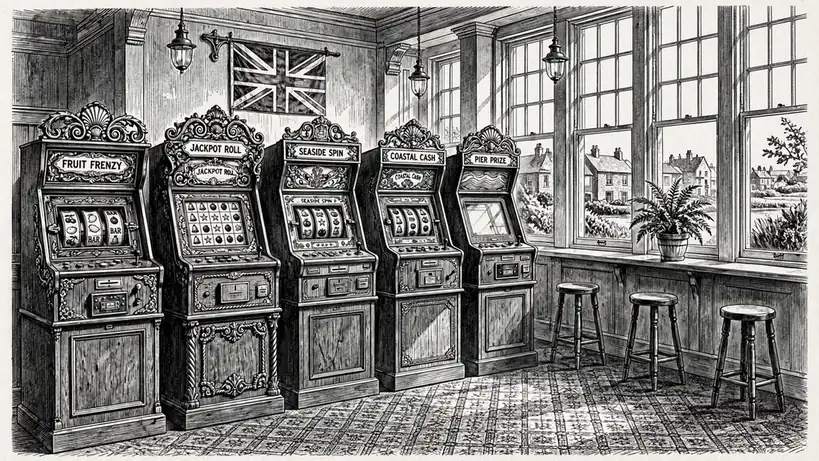
The pub setting is central to the British meaning of the term. An alcohol-licensed pub is automatically entitled to up to two Category C or D machines if it notifies the local licensing authority. Consequently, the phrase carries a strong association with regulated, land-based pub entertainment rather than with online gambling alone.
For UK readers, the clearest interpretation is therefore contextual: a classic slot may refer to the traditional fruit-machine design, while Category C identifies a particular regulated gaming-machine type. The two ideas overlap in British usage, but they are not interchangeable.
Free Classic Slots: What the Format Does and Does Not Establish
A free classic slot is a non-monetary presentation of a traditional reel-based game. The format may reproduce familiar visual elements associated with older gaming machines, such as reels, simple symbol arrangements, and a compact playing layout. Its defining feature is the absence of a real-money stake within the activity being described, not the identity of a particular title or provider.
Free play can therefore illustrate how a classic slot is organised without establishing the legal status of any related gambling product. A demonstration mode may show the appearance of the reels, the way symbols are displayed, or how a result is presented. Those features describe the interface and game format. They do not, by themselves, demonstrate that the product is authorised for gambling in Great Britain.
The distinction matters because the UK regulatory framework concerns gambling services and gaming machines, rather than visual style alone. A product that resembles a traditional fruit machine may be presented for entertainment without functioning as a real-money gambling service. Conversely, a real-money version requires consideration of the applicable regulatory requirements. Free access does not transfer, confirm, or replace those requirements.
Free Play Summary
- Free versions serve as demonstrations of interface and format.
- Playing without a stake does not establish the legal status of a real-money product.
- Free play cannot be used to forecast probabilities or returns for paid gambling.
No general conclusion about licensing, testing, age controls, or return information can be drawn solely from the fact that a classic slot is available without payment. Those matters depend on the product and operating context, not on the label “free”. The same caution applies to claims about outcomes: free play can demonstrate the format, but it does not establish the probability, return, or conditions that may apply when money is involved.
Accordingly, free classic slot play is best treated as a format-level experience. It can clarify what is meant by a traditional reel-based design while remaining separate from the legal assessment of a real-money gambling product.
Classic Fruit Slots and the Traditional Pub-Machine Model
A classic fruit slot is closely associated with the British pub gaming-machine tradition. Its visual language commonly centres on fruit symbols and a straightforward reel-based presentation, but the descriptive label should not be confused with a legal machine category. In the United Kingdom, the relevant regulatory reference for the familiar pub fruit machine is Category C.
Category C machines are described as the classic British pub fruit machine. They have a maximum stake of £1 and a maximum prize of £100. This makes Category C a reference point for understanding the traditional pub-machine model, rather than a general legal definition of every online product presented with fruit imagery.
The venue is significant. Category C machines may be made available in pubs, licensed family entertainment centres, clubs, bingo premises, adult gaming centres, betting shops, tracks with pool betting, and casinos. An alcohol-licensed pub is automatically entitled to up to two Category C or D machines when it notifies the local licensing authority. More than two machines require a formal Licensed Premises Gaming Machine Permit.
This framework concerns physical gaming-machine provision and the premises in which such machines may be located. An online casino game using fruit symbols may resemble the traditional format, but that resemblance does not by itself make the product a Category C machine. The term “classic fruit slot” therefore describes a design tradition, while Category C identifies a regulated machine category with specified stake and prize limits.
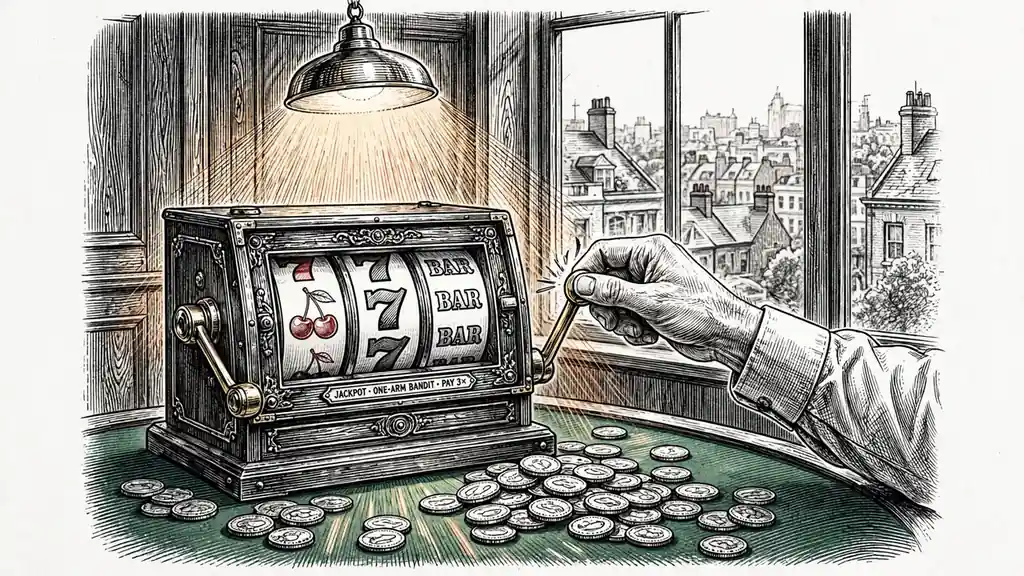
Category D provides a separate comparison. Category D machines are generally low-stake fruit machine style machines, coin pushers, or crane grabs. Their inclusion in the same broad family of amusement and pub-style machines does not merge the two categories. The fruit-machine appearance is shared at the level of presentation; the legal classification depends on the applicable regulatory framework.
Classic Slot Machine Symbols and Their Traditional Role
Symbols are the primary visual vocabulary of a traditional reel-based game. They identify possible outcomes on the reels and allow the player to read a result without relying on complex graphics or narrative features. In a classic layout, each symbol is presented as a distinct image, repeated across the visible reel positions.
Traditional imagery often includes fruit, bells, bars, stars, and sevens. These designs belong to the historical language of mechanical and electromechanical gaming machines. Their continued use in online formats signals a connection with that earlier visual style, although an online game may reproduce the appearance without sharing the operating characteristics of a physical machine.
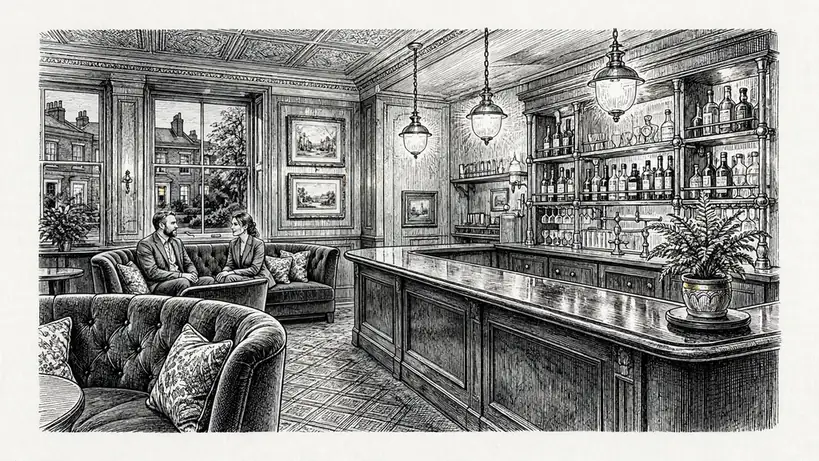
A symbol normally has two roles. First, it contributes to the recognition of a winning combination when matching images appear in the relevant positions. Second, it gives the game an immediately identifiable theme. Fruit imagery, for example, is associated with the familiar British fruit-machine tradition, while bars and sevens communicate a more general gambling-machine aesthetic.
The arrangement of symbols is also significant. Reels provide the vertical columns in which the images appear, while paylines determine which aligned positions are assessed as combinations. Consequently, a symbol cannot be interpreted separately from the layout in which it is displayed. Its role depends on the positions covered by the game’s rules.
The visual presence of a symbol does not, by itself, establish a payout, a probability, or a legal classification. Those matters require information from the game rules and, where relevant, the applicable regulatory framework. No fixed value can safely be assigned to a bell, bar, fruit, or seven merely because the image is familiar.
This distinction is important in descriptions of classic slot machine symbols. Their traditional role is visual and structural: they make outcomes legible, preserve recognisable machine imagery, and support the compact design associated with classic reels. They are not evidence of a particular return, prize, or gambling status.
What are the gaming machine categories in the UK?
The UK categories are A, B1, B2, B3, B3A, B4, C and D. Category C machines are the traditional British pub fruit machines, while Category D machines are generally low-stake fruit-machine-style machines, coin pushers or crane grabs.
What is a classic British pub fruit machine?
A classic British pub fruit machine is a Category C machine. It has a maximum stake of £1 and a maximum prize of £100.
Can pubs have classic fruit machines?
Yes. An alcohol-licensed pub can have up to two Category C or D machines after notifying the local licensing authority.
Are Category D gaming machines restricted by age?
No. Category D machines have no age restriction.
Published by the Casinouk Bonuses Info team.